Urgency Is the Most Dangerous Cyber Weapon
Every successful cyberattack has one common trigger.
Not complexity. Not skill.
Just a moment where you feel you need to act immediately.
If there’s one thing almost every successful cyberattack has in common, it isn’t advanced malware or brilliant code. It’s urgency.
Not the kind that comes from real danger — but the kind that’s manufactured. The kind that pushes people to act before they think, respond before they verify, and comply before they question. In the digital world, urgency has become one of the most effective weapons attackers use.
And it works not because people are careless, but because urgency short-circuits normal decision-making.
Why Urgency Works So Well
Urgency creates pressure. Pressure narrows focus. When something feels time-sensitive, the brain prioritizes speed over accuracy.
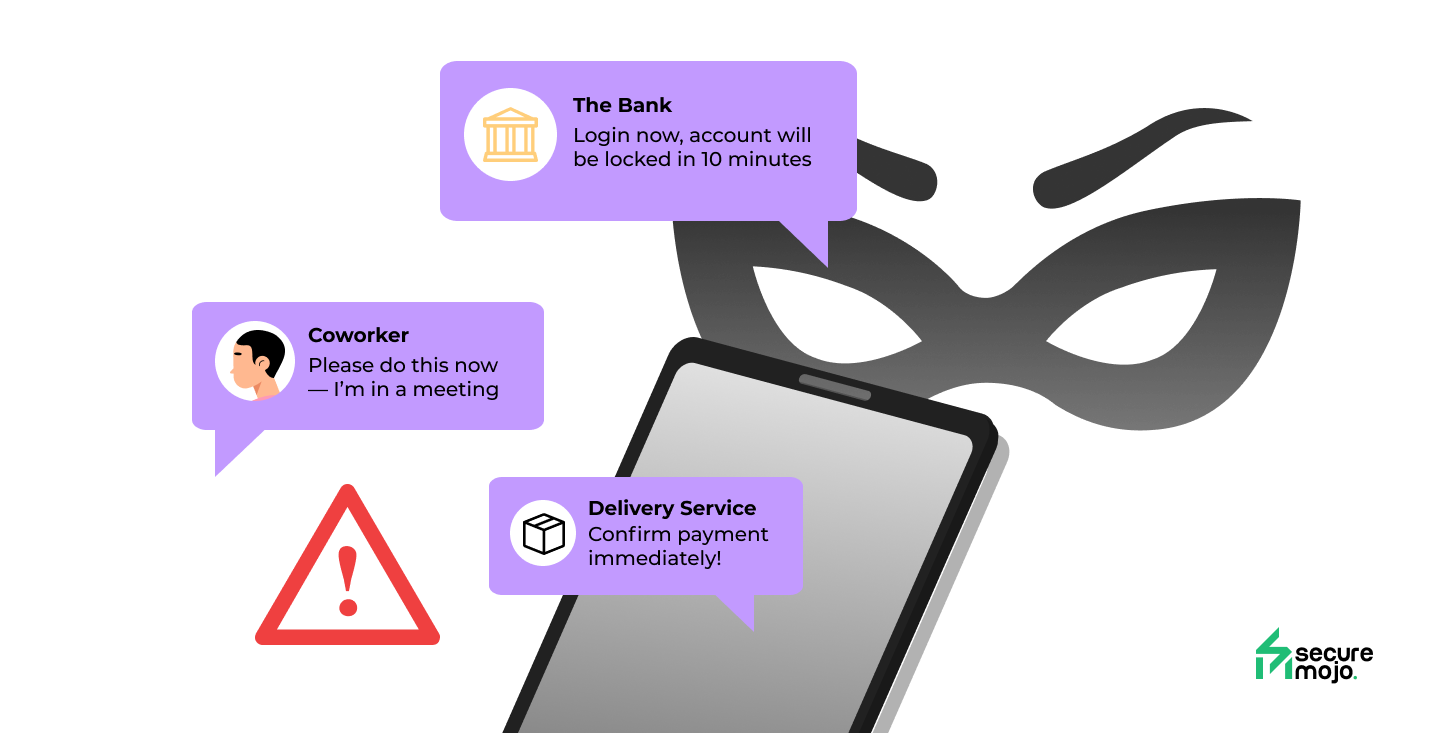
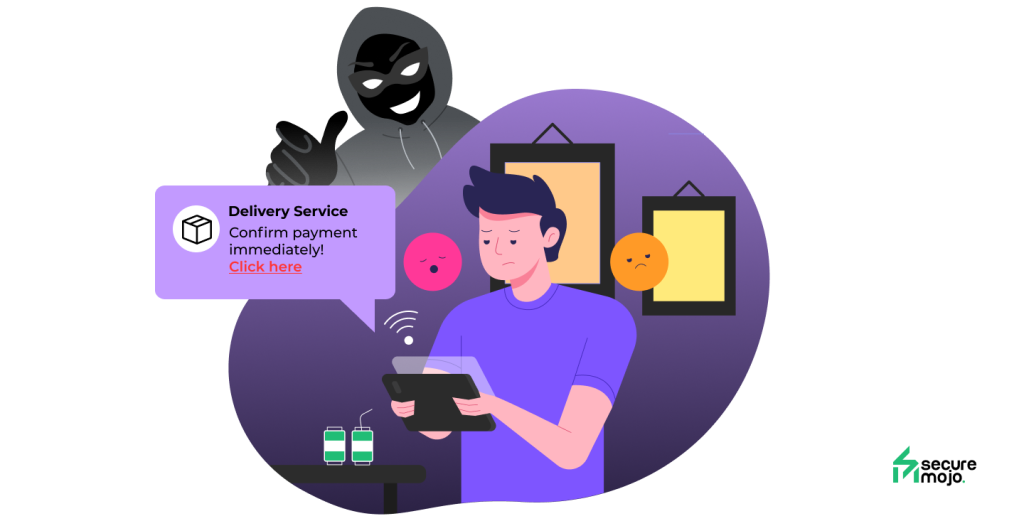
Attackers design messages that trigger this response deliberately. An account that will be “locked in 10 minutes.” A payment that must be “confirmed immediately.” A request that says, “Please do this now — I’m in a meeting.”
In those moments, people don’t stop to inspect links or verify senders. They act to resolve discomfort. The goal of urgency isn’t to inform — it’s to rush.
Once that rush takes over, even cautious users can make decisions they normally wouldn’t.
How Urgency Disguises Itself as Normal Communication
The most dangerous urgent messages don’t look threatening. They look routine.
A manager asking for a quick favor. A bank notifying about suspicious activity. A delivery service requesting confirmation. A platform alert warning of unusual login attempts. These messages mirror real interactions people experience regularly.
That familiarity lowers defenses. Urgency then adds pressure. Together, they create a narrow window where action feels more important than verification.
This is why urgency-based attacks don’t feel like scams — they feel like interruptions that need to be handled quickly.
What Happens When You Act Too Fast
Acting quickly often means skipping safeguards.
Links are clicked without checking the URL. Login pages are trusted without scrutiny. Payment requests are approved without questioning who initiated them. Security prompts are accepted just to make notifications stop.
Attackers rely on these shortcuts. They don’t need long-term access or repeated interactions. One fast decision is enough to open the door.
Once access is gained, urgency disappears — for the attacker. The victim, meanwhile, is left dealing with the consequences.
Why Even Smart People Fall for Urgent Attacks
Urgency doesn’t target ignorance. It targets attention.
People are most vulnerable when they’re busy, tired, stressed, or multitasking — which is most of the time. Attackers don’t need perfect timing. They just need plausible timing.
This is why urgency-based scams affect professionals, founders, students, and experienced users alike. Intelligence doesn’t protect against pressure. Awareness does.
Understanding this removes blame and replaces it with something more useful: recognition.
How to Defuse Urgency Before It Defeats You
The most effective response to urgency is deliberate slowing down.
Urgent messages should trigger more verification, not less. Real organizations don’t penalize users for taking a moment to confirm. Real colleagues don’t object to double-checking requests through another channel.
When something insists that you must act right now, that insistence itself is often the warning sign.
Urgency collapses when it’s questioned.
The Pattern Behind Most Digital Scams
Look closely at phishing emails, fake calls, impersonation attempts, and payment fraud, and the same structure appears again and again.
There’s a reason given to worry.
There’s a narrow time window.
There’s a simple action to take.
Remove urgency from that equation, and the scam usually falls apart.
Attackers know this. That’s why urgency is always the first lever they pull.
Final Thought: Slow Is Safe
In a world designed for speed, slowing down feels counterintuitive. But in cybersecurity, speed is often the enemy.
Urgency creates mistakes. Pausing creates protection. The next time something demands immediate action, remember: real security allows time. Scams don’t.
The most dangerous cyber weapon isn’t malware — it’s making you hurry.