Date
12 March 2026
Category
Secure Mojo Insights
Category
Personal Cyber Protection
Author
Chinmayi B S
You’re being observed even when you’re quiet. You’re being analyzed even when you’re scrolling.
And you’re being understood without ever explaining yourself. Your digital presence doesn’t wait for permission.
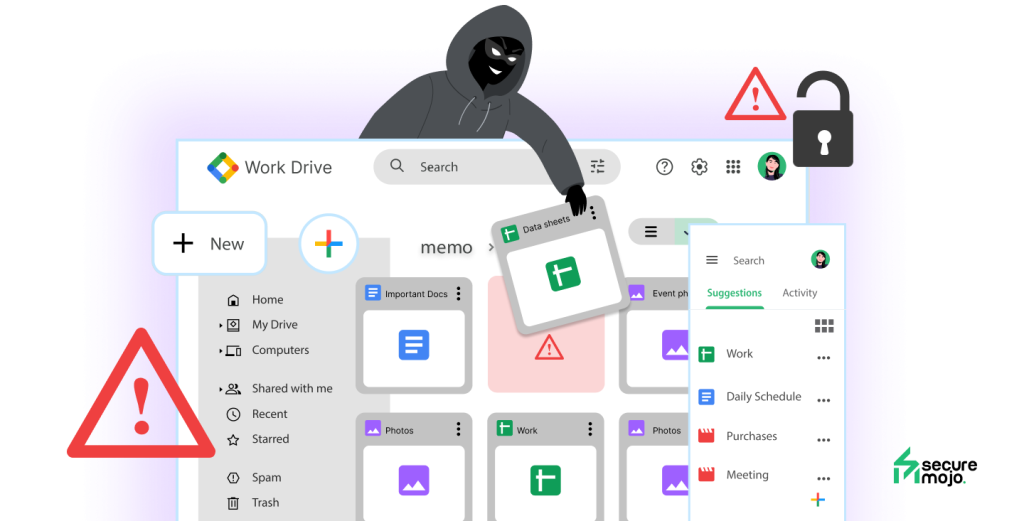
Digital presence and online behavior are constantly being tracked, analyzed, and used to influence decisions in ways most people don’t realize.
Most people believe their online identity is defined by what they choose to share — photos, captions, bios, opinions. That visible layer feels intentional. It feels owned. It feels safe.
But it’s only the surface.
Beneath it exists a quieter, far more detailed version of you, built not from what you say, but from what you do. Every scroll, pause, click, hover, rewind, and exit adds context. Even moments of hesitation are signals. You don’t need to explain yourself for systems to observe you. Presence alone is enough.
Over time, these signals stop being isolated actions. They become patterns. And patterns don’t just describe behavior — they reveal preferences, routines, impulse points, and blind spots. Often more accurately than self-reported information ever could.
Your Digital Presence Begins Earlier Than You Think
Your digital identity doesn’t begin when you post for the first time. It begins the moment you interact with the internet at all — browsing a site, installing an app, connecting to Wi-Fi, or accepting terms you didn’t read.
These actions feel insignificant because they’re frictionless. But they quietly capture:
- when you’re active and when you disengage
- what holds your attention and what you skip
- how long you hesitate before acting
- what convinces you to say yes
Individually, these data points mean very little. Together, they form a behavioral timeline. Platforms don’t just learn who you are demographically — they learn how you decide. And once decision-making becomes predictable, influence becomes easier.
Predictability is the real value.
Privacy Isn’t About What You Hide Anymore

For years, privacy was framed as a personal responsibility: share carefully, lock your accounts, don’t overshare. That framing is outdated.
Today, your privacy is shaped by systems and people far beyond your control:
- apps collecting metadata even when inactive
- platforms linking behavior across devices and time
- friends exposing information through tags or contact syncing
- organizations storing logs you’ll never see
- someone else’s mistake tying back to you
Even choosing not to participate doesn’t remove you from the ecosystem. Silence doesn’t stop data collection — it redirects it. Privacy is no longer an individual choice. It’s a shared condition, influenced by everyone and everything you’re connected to.
This is how digital presence and online behavior quietly shape decisions without users even noticing.
When Data Turns Into Influence
Data becomes most dangerous when it’s used to guide behavior rather than simply observe it.
That’s why modern cyber threats don’t look suspicious at first. They look familiar. Messages reference services you actually use. Calls mention places you recognize. Emails arrive at moments when you’re rushed, tired, or distracted — times when skepticism naturally drops.
This precision is built on context. Context creates credibility. Credibility creates trust. And once trust exists, urgency pushes action. There’s no need for dramatic threats or obvious lies. The manipulation feels reasonable, even helpful — which is exactly why it succeeds.
The Internet Doesn’t Forget — It Spreads
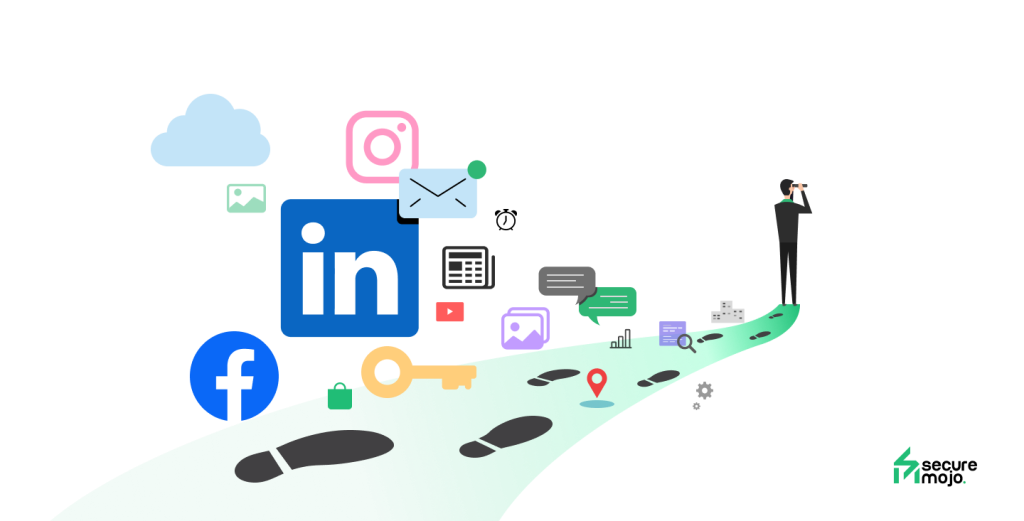
There’s a comforting assumption that old data loses relevance over time. In reality, time increases exposure.
Old accounts remain searchable. Images are cached, archived, and reposted. Databases are duplicated, leaked, sold, and reused — often years after they were first created. Even outdated information can still be accurate enough to exploit when combined with newer data.
The challenge isn’t just what data exists. It’s how widely it has traveled, how many systems now store fragments of it, and how impossible it becomes to track or correct once it spreads.
Awareness Is the Real Line of Defense
In a digital environment optimized for speed and instant response, awareness introduces friction — and friction disrupts attacks.
Pausing before clicking an urgent link, questioning a request that feels slightly off, or verifying information instead of reacting emotionally can break entire attack chains. These pauses seem small, but they force a shift from automatic behavior to intentional decision-making.
Technology can assist. Tools can block. Systems can warn. But none of them replace judgment. Awareness strengthens that judgment and turns users from passive participants into active defenders.
At Secure Mojo, we believe cybersecurity starts with understanding — because once people recognize manipulation patterns, those patterns lose power.
Final Thought
Your digital presence tells a story — not just about who you are, but about how you behave, what you trust, and when you’re most likely to act without thinking. It’s written in patterns, not words. And it continues to evolve whether you acknowledge it or not.
In a world where being online is unavoidable, this story is constantly being read, interpreted, and acted upon by systems and people you’ll never see. Some use it to improve experiences. Others use it to influence decisions, shape behavior, or exploit moments of distraction.
That’s why awareness matters. Not as fear, and not as withdrawal, but as control. Awareness creates space between impulse and action. It turns unconscious behavior into intentional choice.
Online, that pause is everything. Because awareness isn’t optional anymore —
it’s leverage.