Hackers Aren’t Breaking In. We’re Letting Them In.
Security tools are stronger than ever.
So why do breaches keep happening?
Because attackers don’t target systems — they target people.
Hackers have become smarter. They use automation, AI, and mass targeting to reach thousands of people at once. But here’s the reality most people miss: most cyber incidents still start with normal, everyday actions.
Over 95% of breaches come from things that felt harmless at the time. Clicking a familiar-looking link. Downloading an app that seemed real. Reusing a password because it’s easy. These actions don’t trigger fear because they fit into daily routines.
Attackers don’t always defeat security systems. Often, access is made easier without anyone realizing it. The real problem isn’t weak technology — it’s not seeing how valuable everyday digital access has become.
Why Hacking Isn’t as Dramatic as We Think
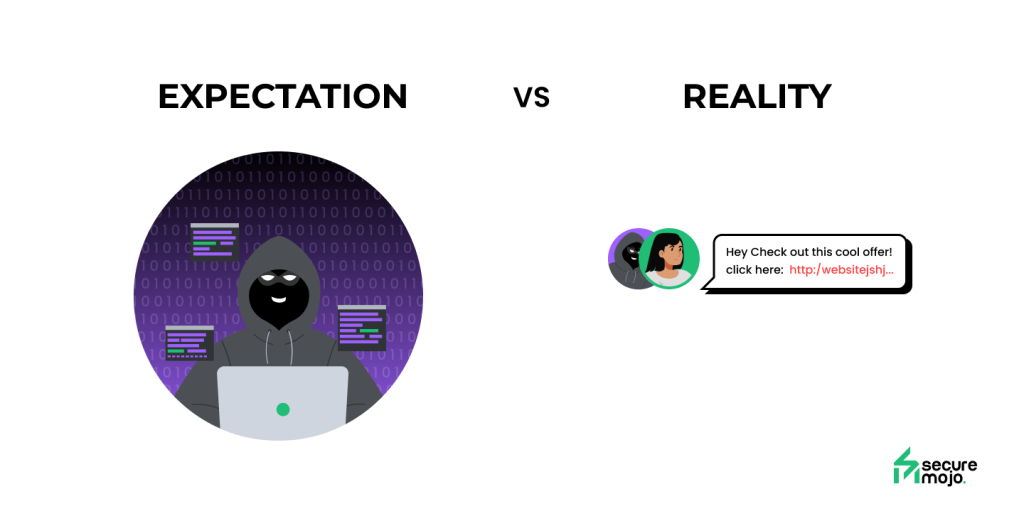
We often imagine hacking as something loud, complex, and highly technical. In reality, it’s usually quiet, boring, and easy to miss.
It happens while checking messages between meetings. While scrolling late at night. While approving a notification just to make it disappear. There’s no warning sign that something serious just happened.
Phones and laptops now hold almost everything — money, private chats, work tools, saved passwords, and personal data. To attackers, these devices aren’t just tools. They’re open doors. And when we assume those doors are safe by default, no force is needed.
Hackers Don’t Break In — They Log In
Modern attackers don’t focus on breaking systems. They focus on understanding people and their habits.
They know how trust works. They know urgency changes decisions. They know familiarity lowers suspicion. They design attacks that blend perfectly into everyday life.
That’s why attacks look normal:
- a bank alert asking you to confirm activity
- a delivery update asking for details
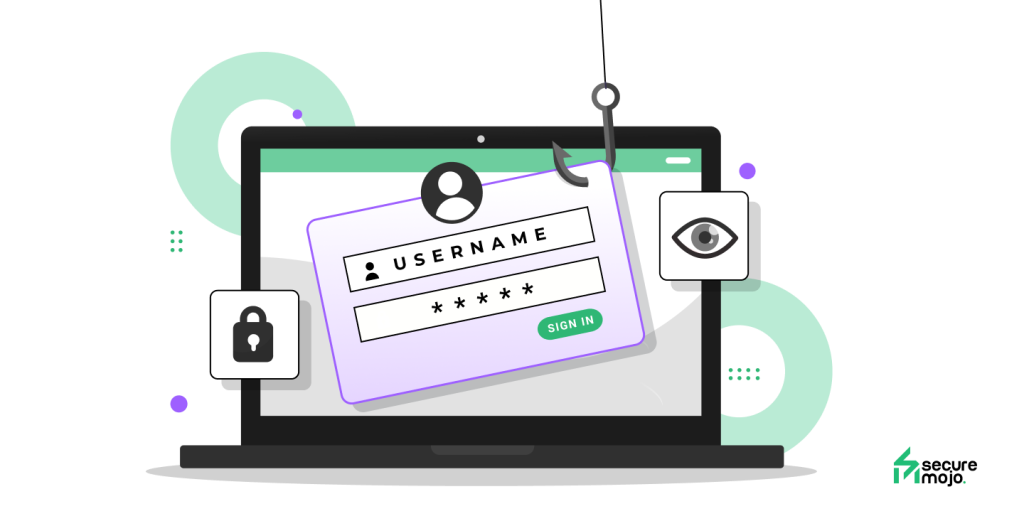
- a login page that looks exactly like Instagram or Gmail
Nothing feels obviously wrong. That’s why people move fast — and that’s when access is quietly handed over.
Why These Attacks Keep Working
These attacks keep working because the timing feels right and nothing feels unusual.
Messages arrive when attention is split. Requests sound routine. Links look familiar. There’s no clear reason to stop and think. Most people are trained to respond quickly, not carefully.
People reuse passwords because it’s practical. They skip extra security steps because they feel unnecessary. They trust professional-looking messages because that’s what they’re used to seeing. Attackers build their scams around these habits.
They don’t need many chances. One distracted moment is enough. Once inside, damage spreads quietly — from email to apps, from apps to money, and sometimes to full identity misuse.
Passwords: A Fragile Line of Defense
Passwords were never meant to protect the kind of digital lives we live today. Yet they’re still the main thing standing between attackers and our accounts.
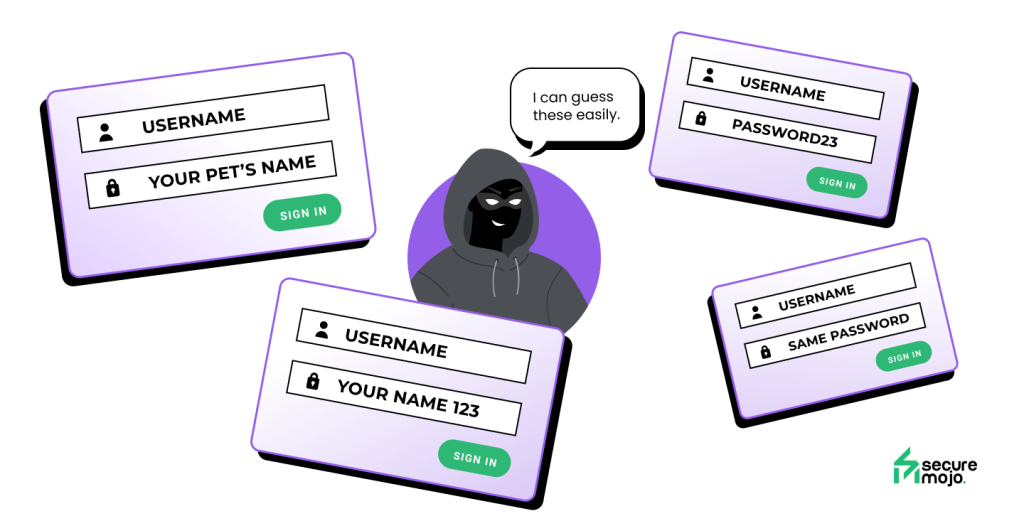
Because passwords must be remembered, people reuse them or follow patterns. Automated tools can test millions of combinations in seconds, making weak passwords easy targets.
Reuse makes it worse. One exposed password is tested everywhere else. What starts as a small breach can grow quickly. A single password can quietly unlock an entire digital life.
The scariest part is the delay. Many people don’t notice anything wrong for weeks or even months. By the time they do, attackers may have changed settings, reset passwords, or copied personal data. That delay turns a small mistake into a serious problem.
“But I Have Antivirus — So I’m Safe, Right?”
Antivirus software helps. It blocks known threats and catches harmful files. It’s an important layer of protection.
But it doesn’t replace thinking.
It can’t tell if a website looks real but isn’t. It can’t stop someone from typing a password into a fake login page. It can’t undo the damage from installing a convincing app or skipping updates.
Most attacks today don’t fight software. They go around it by targeting people. Antivirus is a safety net — not a shield that makes you untouchable.
How Small Habits Make a Big Difference
Staying safer online doesn’t require deep technical knowledge. It’s about building better habits and sticking to them.
Pausing before clicking urgent links. Turning on two-factor authentication. Using a password manager instead of reusing passwords. Keeping apps and devices updated.
These actions feel small and boring, but they block the most common attack paths. When access isn’t easy, attackers usually move on to someone else.
Real People, Real Consequences
Cybercrime isn’t some distant problem. It affects people in everyday situations.
Students lose academic accounts after trusting fake college emails. Small business owners open routine attachments and find their data locked. Travelers use public Wi-Fi and unknowingly expose passwords.
Recovery is rarely quick. It often takes days or weeks of resets, support tickets, financial disputes, and stress. The emotional impact — fear, frustration, and loss of confidence — can last much longer.
These incidents happen not because people are careless, but because everything felt normal at the time.
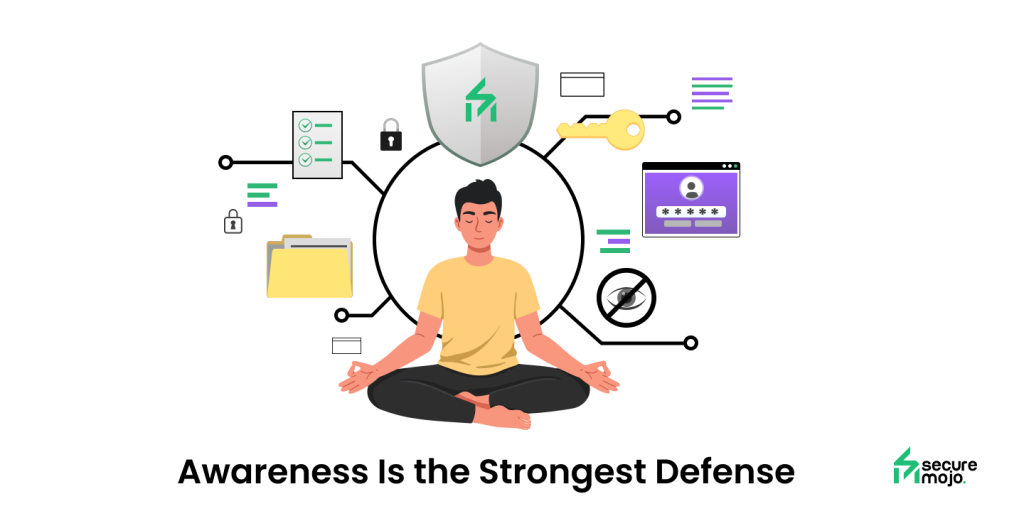
Final Thought: Awareness Is the Strongest Defense
Cybersecurity isn’t just about tools or software. It’s about everyday decisions.
Attackers succeed when they assume people are rushed, distracted, or tired. When that assumption fails, their attacks fail too.
Slowing down, questioning urgency, and building smarter habits makes you a much harder target.
The strongest security tool isn’t software. It’s awareness.
Follow Secure Mojo for simple, practical insights — because staying safe online starts with understanding how attacks really work.