Date
12 March 2026
Category
Secure Mojo Insights
Category
Personal Cyber Protection
Author
Chinmayi B S
Your password feels easy to remember. That’s exactly why it’s easy to break.
Because memory creates patterns. And patterns are predictable.
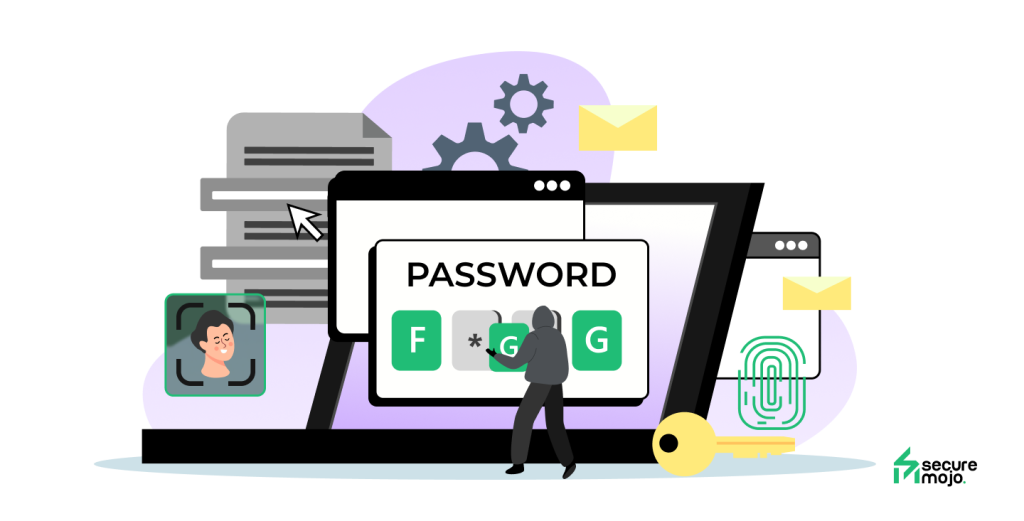
Passwords were supposed to protect us. Instead, for most people, they’ve quietly become one of the weakest parts of their digital lives.
We rely on them every day — to unlock phones, check email, access bank accounts, log into work tools, and store personal memories in the cloud. Yet despite how much depends on them, passwords are often created with one goal in mind: being easy to remember. And that single priority is exactly what makes them dangerous.
The uncomfortable truth is that many passwords would not survive even the lightest scrutiny. Not because people are careless, but because modern digital life asks us to manage far more credentials than the human brain was ever meant to handle.
Why We Keep Choosing Weak Passwords
Most people don’t set out to create weak passwords. They set out to create manageable ones.
When you’re juggling dozens of accounts, remembering a long, random string of characters for each one feels unrealistic. So patterns emerge. A favorite word. A birth year. A variation of the same password with an extra symbol added at the end. It feels harmless — even smart — because it works.
Attackers understand this better than anyone.
They don’t guess passwords randomly. They rely on how predictable human behavior is. They test common patterns first because, statistically, those patterns work. And when automated tools can test millions of combinations in seconds, even passwords that feel complex often fall much faster than people expect.
The Real Problem Isn’t Just Weakness — It’s Reuse
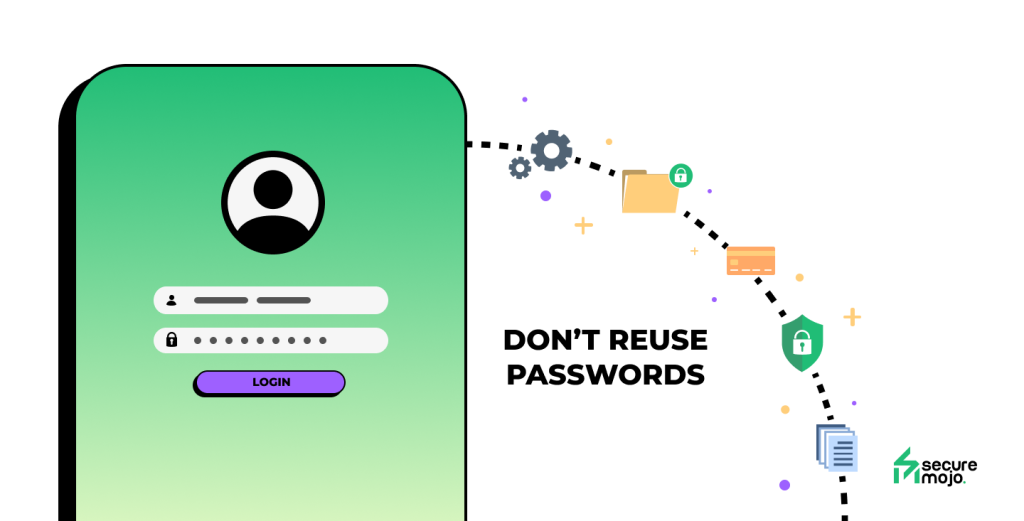
A weak password is a risk.
A reused password is a multiplier.
Once attackers gain access to one account, they don’t stop there. They immediately try the same credentials across email, social media, shopping platforms, cloud storage, and financial apps. This technique, known as credential stuffing, works precisely because so many people reuse passwords.
What starts as a breach on a low-priority site can quickly turn into something far more serious. Email access enables password resets. Password resets unlock other services. Suddenly, one exposed password has opened doors that were never meant to be connected.
This is how isolated incidents become identity theft.
Why Password Breaches Often Go Unnoticed
One of the most dangerous aspects of password compromise is how quiet it can be.
Many people don’t realize their credentials have been exposed until weeks or even months later. Attackers don’t always act immediately. Sometimes they monitor activity, collect data, or wait for the right moment to escalate. During that time, everything appears normal — until it isn’t.
By the time suspicious activity is noticed, passwords may already have been changed, recovery emails rerouted, or security settings altered. What could have been a simple reset becomes a complex recovery process.
“But My Password Is Long — Isn’t That Enough?”
Length helps. Complexity helps. But neither solves the core problem on its own.
A long password that’s reused is still vulnerable. A complex password that’s stored insecurely can still be stolen. And no password — no matter how strong — can protect an account forever if it’s the only line of defense.
Passwords were designed for a simpler internet. Today’s threats move faster, scale wider, and exploit trust more effectively than passwords alone can handle.
Where Passwords Still Fit — And Where They Don’t
Passwords aren’t useless. They still play an important role. But they were never meant to carry the entire weight of digital security by themselves.
This is why modern security increasingly relies on layers. Two-factor authentication adds a second checkpoint. Password managers remove the need for memory-based choices. Alerts notify users when logins happen from unfamiliar places. Together, these measures compensate for what passwords alone cannot do.
The goal isn’t perfection. It’s reducing the blast radius when something goes wrong.
The Human Side of Password Failure
Behind every compromised account is a real person dealing with real consequences.
Someone loses access to years of photos and messages. A freelancer gets locked out of work tools overnight. A small business owner spends days recovering accounts instead of running their business. Even when access is restored, trust and confidence often take longer to rebuild.
Password-related incidents rarely feel dramatic at first. They feel confusing, frustrating, and exhausting. And that’s exactly why prevention matters more than recovery.
So What Actually Makes a Password Strong Today?
Behind every compromised account is a real person dealing with real consequences.
Someone loses access to years of photos and messages. A freelancer gets locked out of work tools overnight. A small business owner spends days recovering accounts instead of running their business. Even when access is restored, trust and confidence often take longer to rebuild.
Password-related incidents rarely feel dramatic at first. They feel confusing, frustrating, and exhausting. And that’s exactly why prevention matters more than recovery.
Behind every compromised account is a real person dealing with real consequences.
Someone loses access to years of photos and messages. A freelancer gets locked out of work tools overnight. A small business owner spends days recovering accounts instead of running their business. Even when access is restored, trust and confidence often take longer to rebuild.
Password-related incidents rarely feel dramatic at first. They feel confusing, frustrating, and exhausting. And that’s exactly why prevention matters more than recovery.
Strength today isn’t about memorability — it’s about isolation and support.
A strong password is unique to one account and never reused elsewhere. It’s generated, not invented. It’s stored securely rather than remembered. And it’s backed by an additional layer of verification so that, even if it’s exposed, damage is limited.
When passwords are treated as one part of a broader system — rather than the entire system — they stop being the weakest link.
Final Thought: Passwords Fail Quietly
Passwords don’t usually fail with alarms. They fail silently, in the background, until the consequences surface.
The good news is that most password-related attacks aren’t sophisticated — they’re predictable. And predictability is something we can design against.
With the right habits and tools, passwords don’t have to be the liability they are today.
Because if your password were a person, strength wouldn’t come from memory — it would come from support.