The Brain Hack Scammers Use That No One Talks About
Getting scammed doesn’t start with a suspicious link.
It starts with something that feels important.
Something that feels like it needs your attention.
Until you realize you acted too fast.
When people talk about scams, they usually focus on the fake link, the phishing page, or the malware. But those come later. The real trick happens earlier, in a place most people never think to look — inside the way the brain reacts to certain emotions.
Modern scams work not because people are careless, but because scammers understand something very basic about human psychology: when we feel pressured, we stop thinking carefully and start acting quickly.
And that shift is exactly what they need.
What Scammers Are Really Targeting
They are not primarily trying to defeat security systems. They are trying to trigger predictable human reactions.
They deliberately create situations that produce:
- Urgency that demands immediate action
- Fear that something is wrong
- Authority that feels official
- Excitement that feels rewarding
These emotions push the brain into a fast, reactive state. In that state, the goal is to solve the problem quickly — not to inspect details.
That is why small inconsistencies go unnoticed.
How This Appears in Everyday Life
It usually starts with a message that looks ordinary.
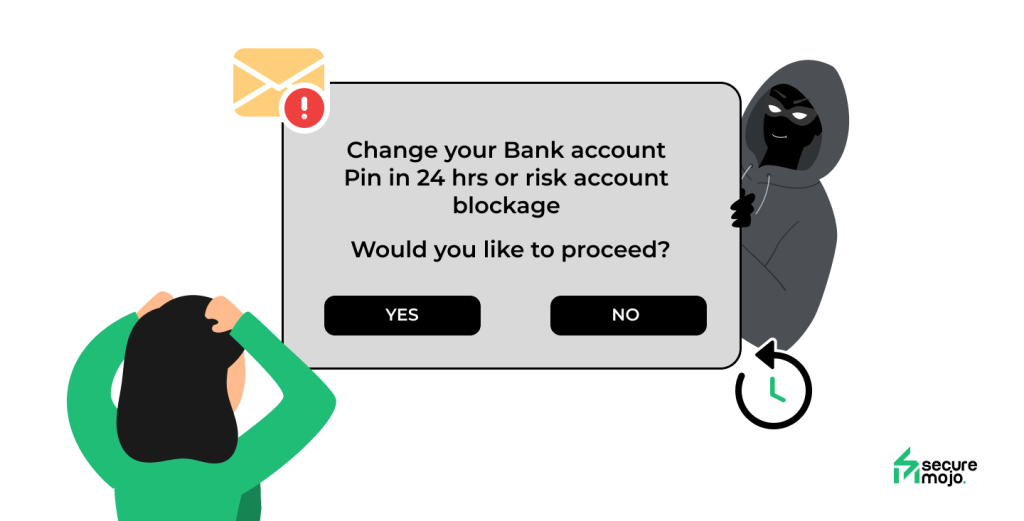
A bank alert asking you to verify activity. A login notification asking if it was you. A delivery message saying your package couldn’t be delivered. A reward notification asking you to claim something before time runs out.
None of these messages look extreme. They look routine. But each one is carefully written to create a sense of urgency.
You are no longer reading calmly. You are responding to a situation.
Why Intelligent People Still Fall For It
Because this isn’t about knowledge. It’s about how the brain is wired.
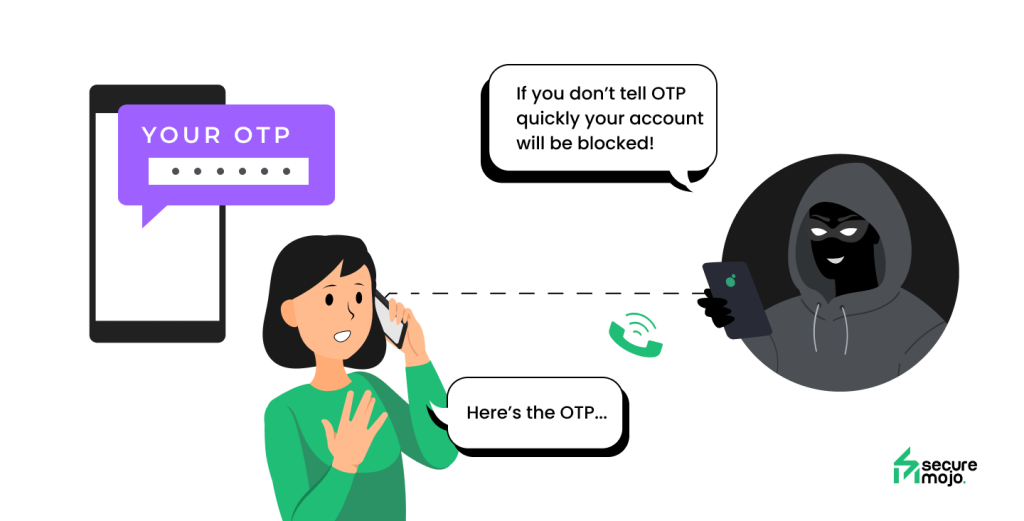
When faced with urgency or perceived threat, the brain prioritizes speed over accuracy. This is a survival response. Scammers exploit this by creating artificial urgency that feels real.
In that moment, clicking the link or sharing information feels like the responsible thing to do. It feels necessary.
That’s why, later, victims often say they don’t know why they acted so quickly. At the time, it simply felt right.
The Quiet Gap After You Act
One of the most deceptive parts of this tactic is that nothing feels wrong immediately after.
The page looked real.
The message sounded legitimate.
The issue seemed resolved.
This delay is intentional.
By the time suspicion appears, the information has already been used.
The scam never feels dramatic while it is happening. It feels normal.
The Warning Sign Most People Miss
Most awareness tells you to look for suspicious links or spelling mistakes.
But the real warning sign is emotional, not visual.
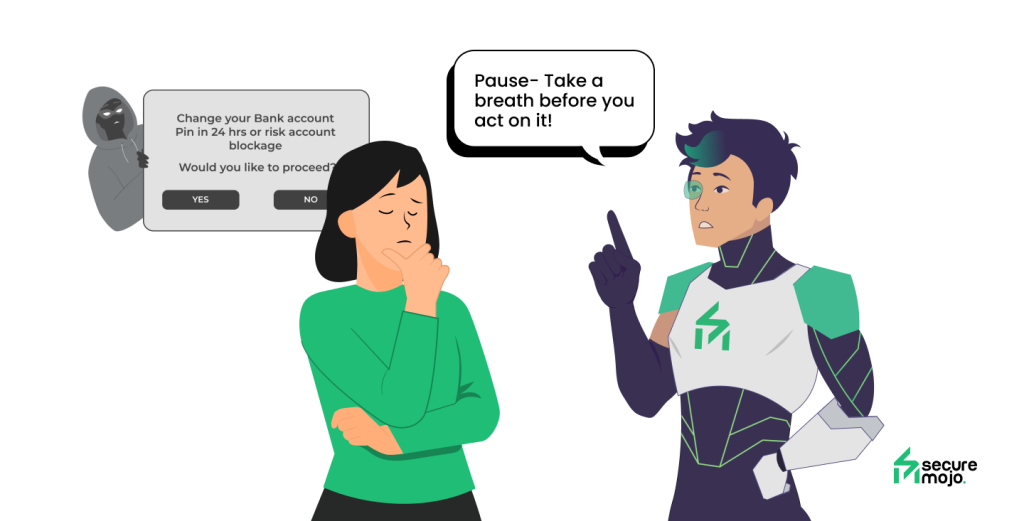
If a message makes you feel rushed, anxious, pressured, or overly excited, that is the moment to pause. That emotional spike is the manipulation in action.
Breaking the Pattern
The most effective defense is surprisingly simple: slow down.
- Don’t act immediately on urgent messages
- Don’t make decisions while emotional
- Don’t trust anything that pressures you for instant action
Even a brief pause allows your brain to return to a calmer, logical state. And in that state, the red flags become easier to see.
Final Thought
By the time a scam reaches your phone, the real attack has already been designed for your mind.
Not your device.
Not your apps.
You.
The mistake doesn’t happen because you didn’t know. It happens because you were made to feel something too quickly.