What Hackers Actually Do With Stolen Accounts
They don’t just take your account.
They become you without asking.
They use your trust before you even notice.
And the damage rarely stops with you.
When people hear that an account has been “hacked,” they often picture a single, contained event — data stolen, some damage done, and then the incident is over. It feels like a moment in time, something that happens to an account and then moves on.
In reality, the moment an attacker gains access is rarely the conclusion. It’s usually the starting point of a much longer process.
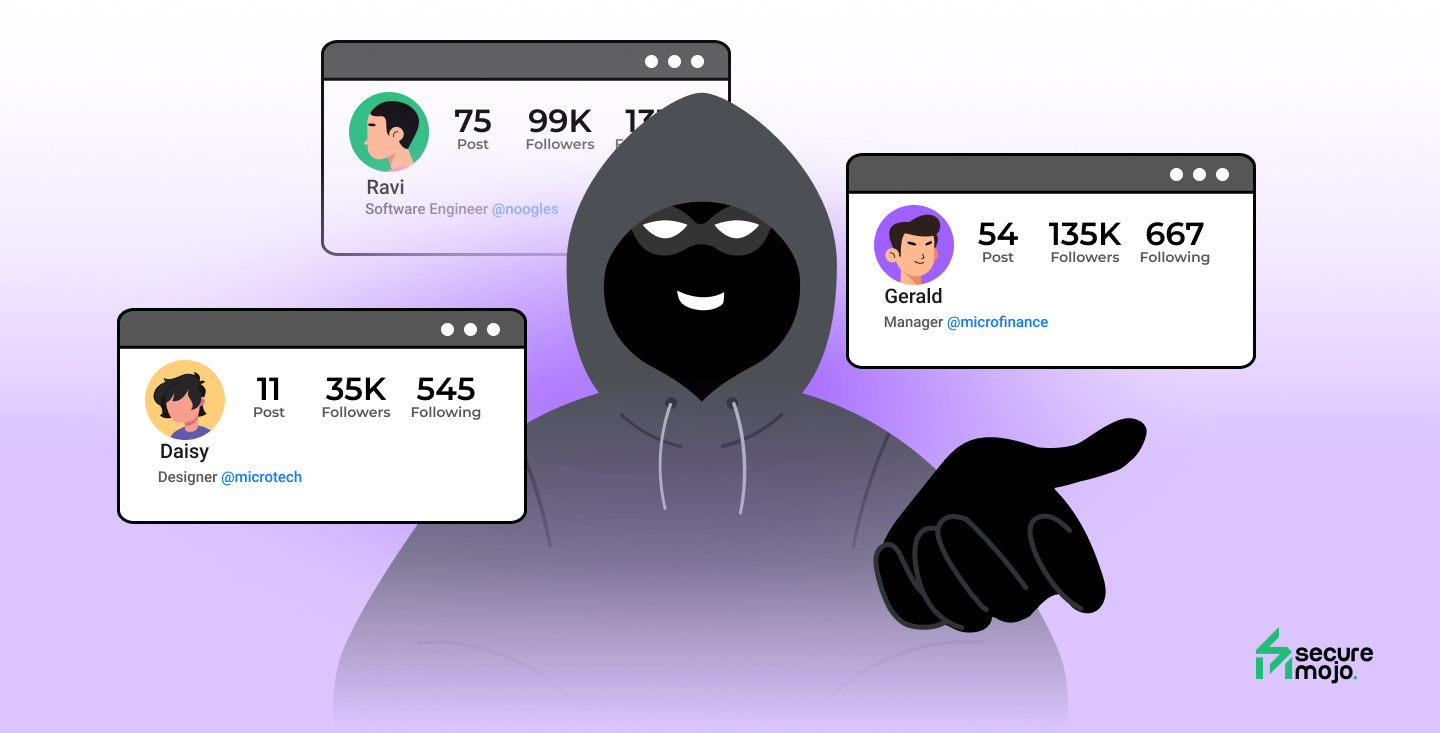
Stolen accounts aren’t treated as accidents or one-time wins. They’re treated as assets. Each compromised account represents ongoing value — access, trust, connections, and reach. Attackers explore that value carefully, deciding how to extract the most benefit with the least chance of detection. Some move quickly, others wait patiently, but the goal is the same: maximize what the account can offer.
First, They Make Sure You Can’t Get Back In
One of the first things attackers usually do after gaining access is secure their position. This doesn’t always happen immediately, which is why victims sometimes don’t notice anything wrong at first.
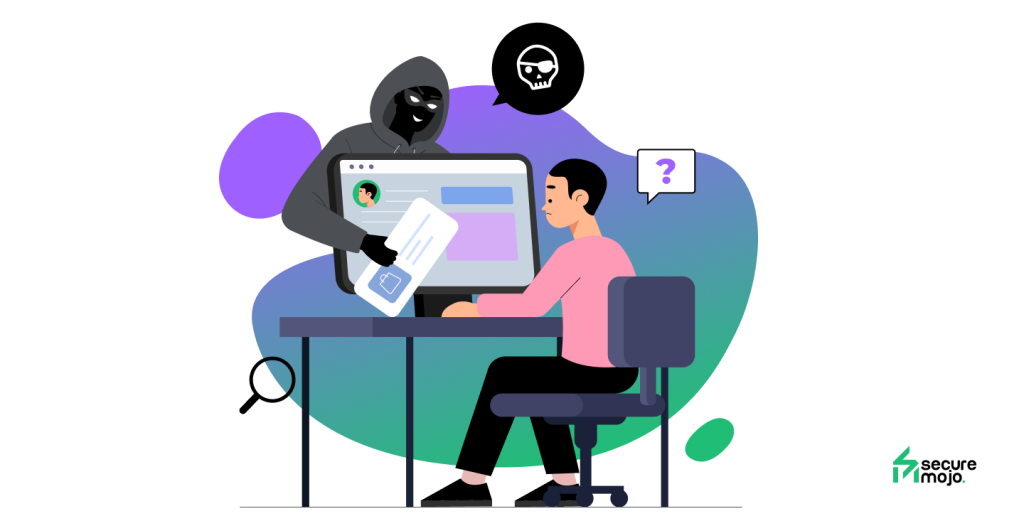
Attackers may quietly change recovery email addresses, add new phone numbers, approve their own devices as “trusted,” or disable alerts that would warn the real owner. In some cases, they wait days or weeks before doing this, allowing them to observe behavior and avoid suspicion.
By the time a victim realizes something is wrong, the account often feels like it no longer belongs to them — because, operationally, it doesn’t.
Then, They Look for What Else They Can Reach
A stolen account is rarely valuable on its own. Its real value lies in what it connects to.
Email accounts are used to reset passwords across other services. Social media accounts provide access to private messages, contact lists, and credibility. Cloud storage reveals documents, photos, IDs, and sensitive information that can be reused elsewhere.
Attackers explore quietly, mapping connections and identifying which services can be accessed next. One login often unlocks many doors.
Impersonation Comes Next — And It’s Powerful
Once attackers understand the account and its network, they often begin impersonation.
Messages are sent that sound exactly like the real person because, in many ways, they are. The writing style, contact history, and social context are already there. Friends, colleagues, and clients respond normally because nothing feels suspicious.
This is how scams spread rapidly. Requests for urgent help, payment links, fake job offers, malicious documents — all sent from a trusted account. The attacker doesn’t need to convince strangers. The account’s reputation does the work for them.
Some Accounts Are Monetized Quietly
Not every stolen account is used for immediate scams. Some are monetized more subtly.
Attackers may use compromised social media profiles to boost other scam pages, manipulate engagement, or run fraudulent ads. Email accounts may be used to receive sensitive documents or intercept communications. Shopping and delivery accounts may be abused for reselling goods or testing stolen payment methods.
In these cases, victims may not notice anything wrong until financial or reputational damage surfaces much later.
Data Is Often Sold or Reused
Even if attackers don’t actively use an account themselves, the data inside it has value.
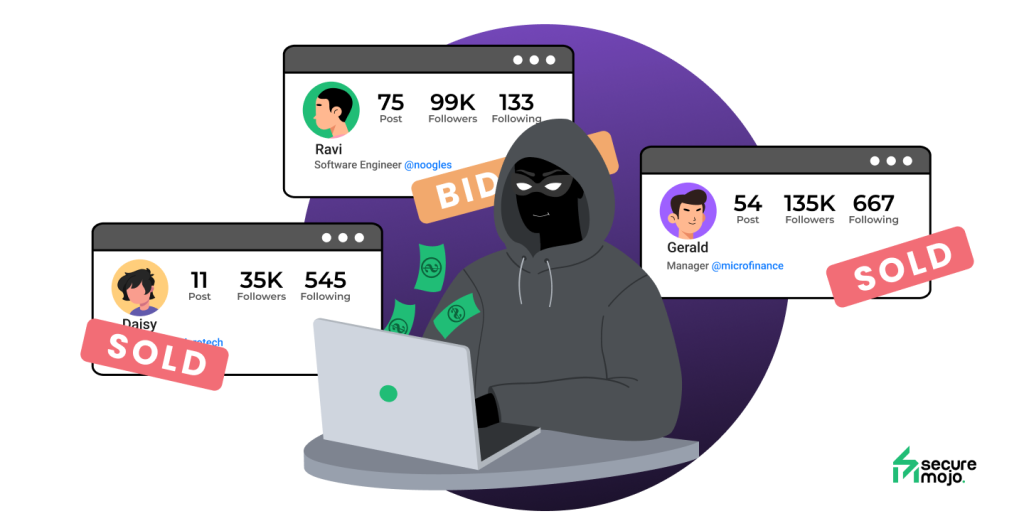
Access details, personal information, browsing behavior, and connected services are often packaged and sold on underground markets. Other criminals then reuse this information for phishing, identity theft, or targeted attacks.
This means that even after you recover an account, the impact may continue. Stolen data doesn’t disappear when access is restored.
Why Victims Are Often Blamed — Unfairly
After an incident, victims are often told they were careless or irresponsible. This ignores how modern attacks actually work.
Most account takeovers rely on realistic scenarios, timing, and trust. Victims didn’t ignore obvious warnings — they responded to something that felt legitimate. Attackers exploit human behavior, not technical ignorance.
Understanding this matters, because shame and silence only make recovery harder and allow attackers to succeed again.
What This Means for Everyone Else
Stolen accounts don’t just affect the original owner. They put entire networks at risk.
Friends, family members, coworkers, and clients are exposed to scams that look personal and trustworthy. This ripple effect is why attackers value accounts with strong social or professional connections.
The damage spreads outward, often faster than platforms or individuals can react.
Reducing the Impact Before It Happens
You can’t control every attack, but you can limit what attackers can do if they gain access.
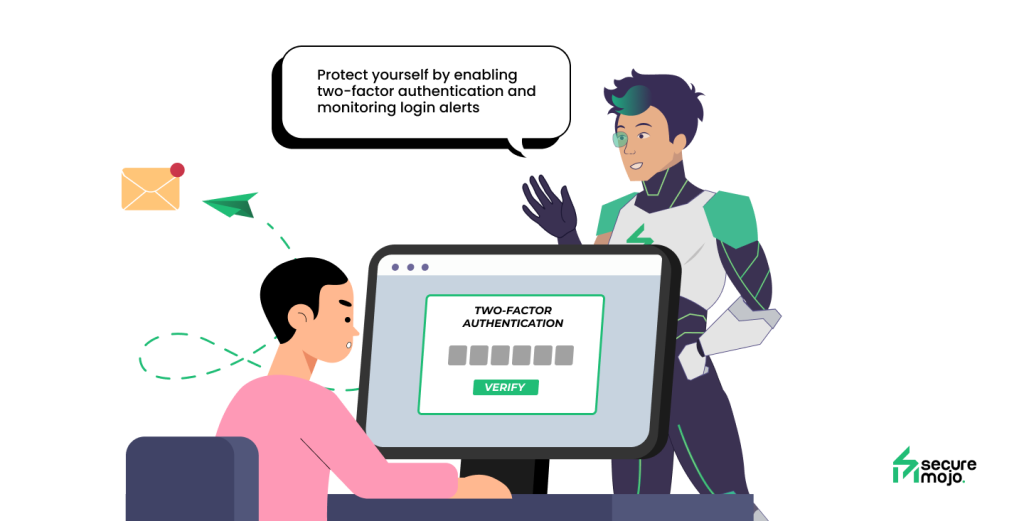
Protecting primary email accounts, using unique passwords, enabling two-factor authentication, monitoring login alerts, and acting quickly when something feels off all reduce the damage window. The goal isn’t perfection — it’s containment.
The less access one account provides, the less useful it becomes to an attacker.
Final Thought: Stolen Accounts Are Tools, Not Endpoints
Hackers don’t steal accounts for curiosity. They steal them for leverage.
Every compromised account becomes a tool — for access, for trust, for money, or for reaching the next victim. Understanding what happens after a takeover helps shift the focus from panic to preparation.
The real risk isn’t just losing access. It’s what your access can be used for once it’s gone.