The Hidden Ways Apps Track You — And How That Data Gets Abused
You’re not being watched loudly.
You’re being observed quietly.
Through the apps you trust every day.
That’s what makes it hard to notice.
Most apps don’t ask for trust — they assume it.
We download them to order food, track fitness, edit photos, manage money, or stay connected. The permissions pop up quickly, the language sounds routine, and within seconds the app becomes part of daily life. What rarely crosses our mind is how much information quietly flows out in the background long after we stop paying attention.
App tracking today isn’t obvious, loud, or malicious-looking. It’s subtle, constant, and deeply embedded into how modern apps are built. And while much of this data collection is marketed as “improving user experience,” it often ends up being used in ways most people never intended.
Tracking Isn’t Just About What You Click
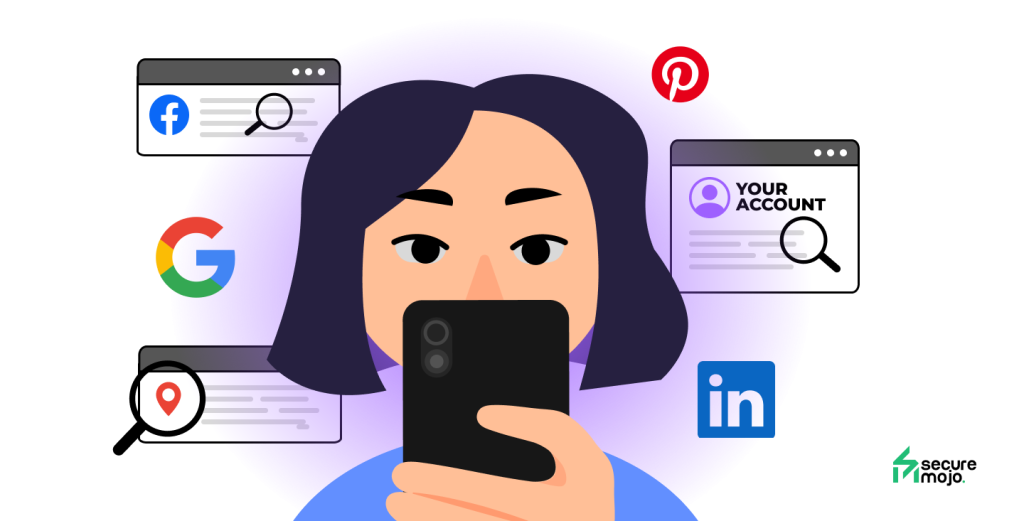
When people think of tracking, they usually imagine ads following them around the internet. But modern app tracking goes far beyond browsing behavior.
Many apps collect device identifiers, location patterns, usage habits, contact metadata, and interaction timing. Even without accessing messages or photos directly, apps can infer a surprising amount — when you’re active, where you spend time, what kind of work you do, and how you respond to notifications.
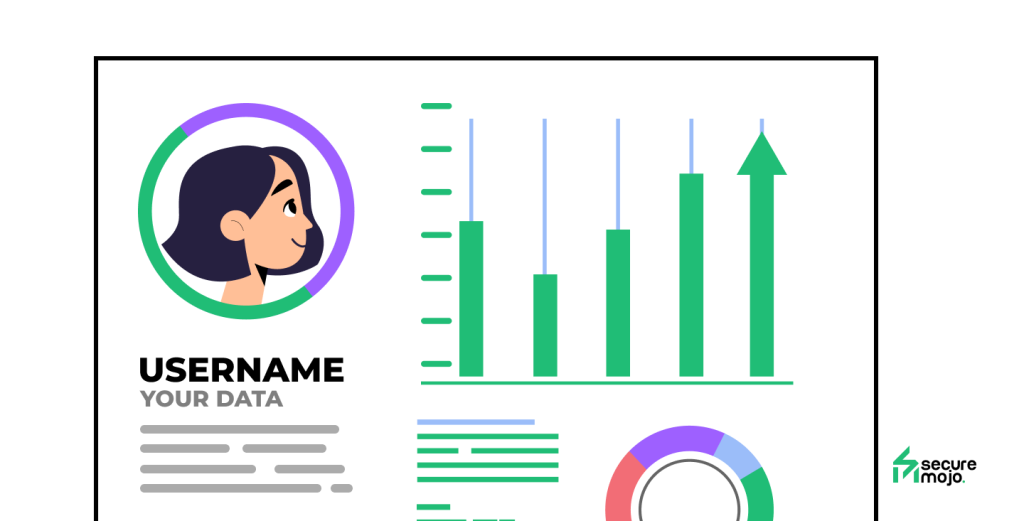
This data doesn’t always feel personal because it’s gathered quietly and continuously. But over time, it creates a behavioral profile that’s far more detailed than most users realize.
Permissions That Seem Harmless Often Aren’t
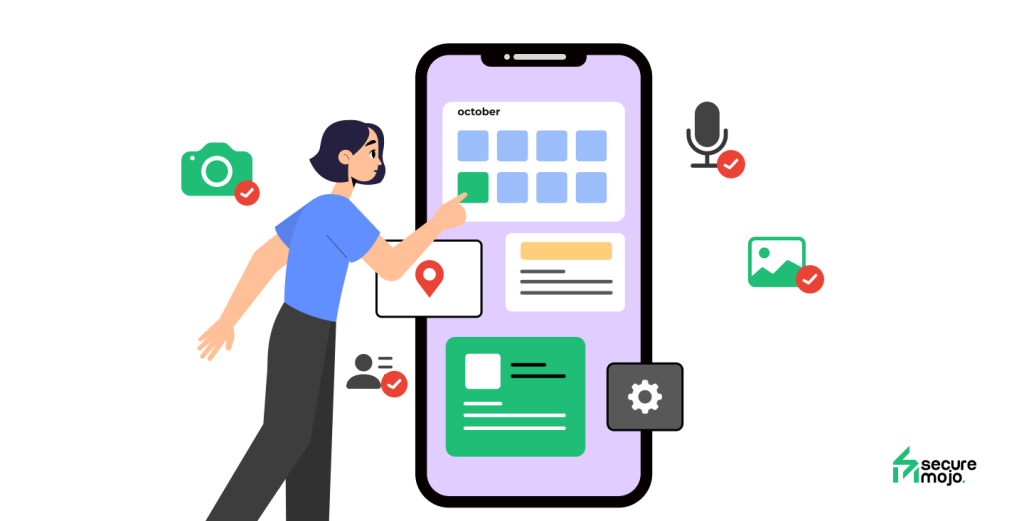
App permissions are often framed as necessary conveniences. Access to contacts to “find friends.” Location access to “improve recommendations.” Microphone access to “enable features.”
Individually, these requests seem reasonable. Collectively, they create broad visibility into a person’s life.
Many users approve permissions without revisiting them, assuming the app only uses them when needed. In reality, some permissions allow background collection even when the app isn’t actively in use. Once granted, access often remains indefinitely unless manually revoked.
What feels like a one-time decision quietly becomes long-term surveillance.
Where the Data Actually Goes
One of the biggest misconceptions is that data collected by apps stays with the app developer.
In reality, app ecosystems are layered. Data often flows through analytics platforms, advertising networks, SDKs, and third-party service providers. Each layer may collect, store, or process information differently.
While some companies handle this responsibly, others monetize data aggressively — packaging insights, selling access, or allowing indirect exposure through weak security practices. Users rarely see this downstream movement, even though it significantly expands who has access to their information.
The more places data travels, the harder it becomes to control — or protect.
How Tracked Data Becomes a Tool for Abuse
When personal data circulates widely, it becomes useful not just to advertisers, but to attackers.
Leaked or poorly secured datasets can fuel phishing campaigns, impersonation attempts, and highly targeted scams. Location patterns can be exploited for timing attacks. App usage details can help scammers craft messages that feel uncannily relevant.
In some cases, attackers don’t need direct access to your data at all. They simply exploit the behavioral patterns apps help reveal — when you’re most active, what you’re likely to trust, and which platforms you use frequently.
Tracking turns anonymity into predictability. And predictability is valuable.
Why This Feels Invisible to Most People
App tracking rarely causes immediate harm, which is why it’s easy to ignore. There’s no alert when data is shared, no notification when it’s analyzed, and no warning when it’s combined with other sources.
The effects are indirect. Ads feel oddly accurate. Scam messages reference details that feel private. Accounts are targeted with messages that seem tailored.
By the time users sense something is off, the data trail has usually existed for months or years.
You Don’t Have to Quit Apps to Reduce Risk
Protecting yourself doesn’t mean deleting every app or avoiding technology altogether. It means becoming more intentional.
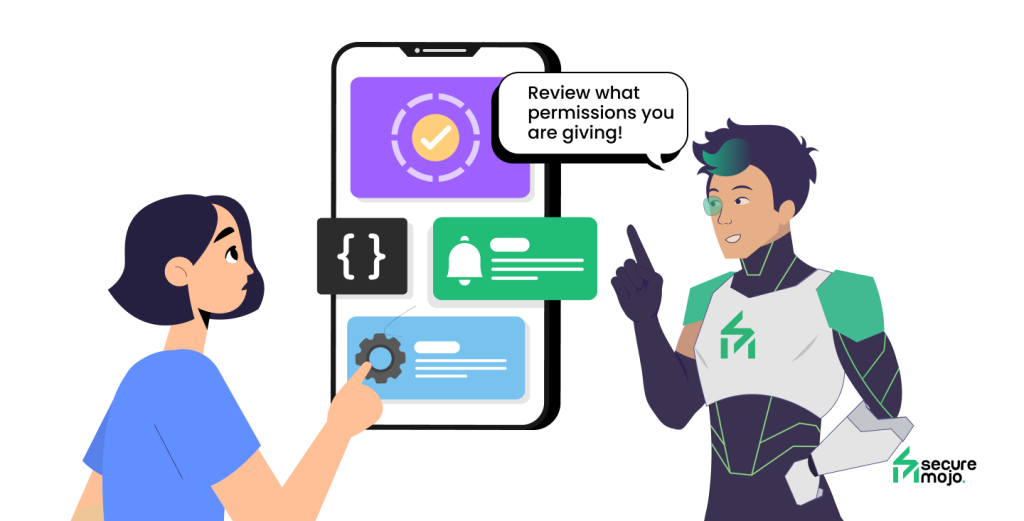
Reviewing app permissions regularly, limiting location access to “only while using,” removing apps that no longer serve a purpose, and being cautious about granting access that isn’t clearly necessary all reduce exposure.
Updates also matter. Many security and privacy improvements arrive quietly through app updates that users delay or ignore. Staying current closes gaps that attackers and data brokers often exploit.
Privacy isn’t about perfection — it’s about reducing unnecessary visibility.
Final Thought: Data Is Power, Even When It Feels Boring
The most dangerous data isn’t always the most sensitive. It’s the most consistent.
Small pieces of information collected over time create patterns. Patterns create predictability. And predictability can be exploited — commercially, psychologically, or maliciously.
Apps don’t need to “spy” to expose users. They just need to collect quietly and continuously.
Awareness changes the equation.
You don’t need to disappear from the digital world. You just need to understand what you’re giving away — and why.