If You Use WhatsApp/Instagram/UPI, Read This 🚨
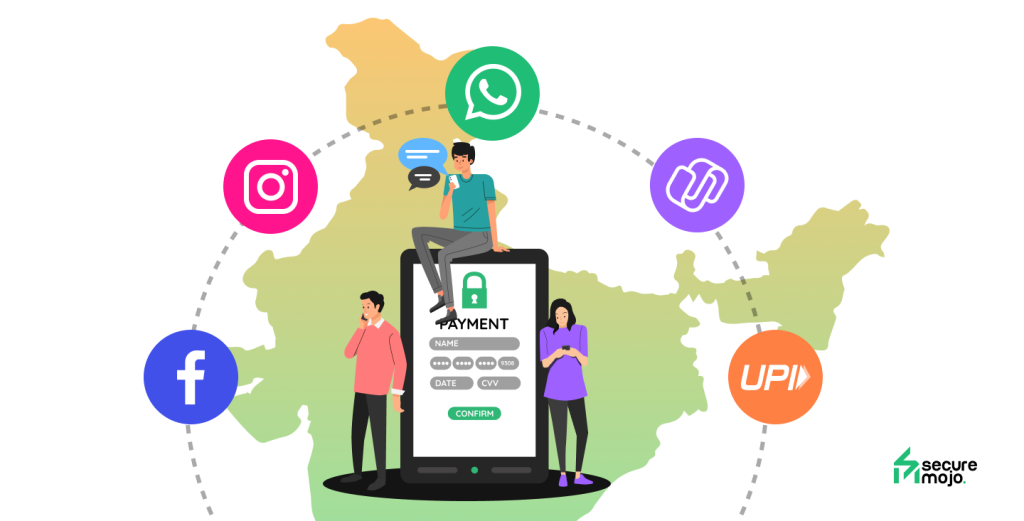
If you use WhatsApp, Instagram, or UPI, you’re already inside India’s most active digital space. And that’s exactly where scams start today. Not with hacking tools — but with messages that feel normal.
If you use WhatsApp to talk to family, Instagram to scroll or run a business, or UPI to pay for daily needs, you’re already part of India’s digital ecosystem. These apps make life faster, easier, and more connected.
Because they’re so normal, we trust them without thinking twice.
That familiarity is exactly what scammers rely on.
Most digital fraud today doesn’t start with complex hacking. It starts inside apps people already trust — through messages, links, calls, and payment requests that look routine and harmless.
Why These Apps Are Prime Targets
WhatsApp, Instagram, and UPI are everywhere. They connect conversations, money, business, and identity — all in one place. For attackers, that combination is powerful.
These platforms already have your trust:
- messages come from known contacts
- profile photos look familiar
- payment requests feel routine
- notifications don’t feel suspicious
When something feels personal, we lower our guard. Attackers don’t need to break security systems if they can blend into everyday conversations.
WhatsApp: When Messages Aren’t What They Seem
On WhatsApp, scams often arrive disguised as urgency or familiarity.
It could be:
- “Check this once”
- a document shared without explanation
- a link about account verification or delivery updates
Sometimes the message comes from someone you know — because their account was hacked earlier. That’s what makes it dangerous. Trust spreads automatically.
One tap on a bad link can lead to fake login pages, spyware, or account takeover. Once attackers control a WhatsApp account, they use it to message others in the contact list, spreading the scam quietly and fast.
Instagram: Where Identity Becomes the Attack Surface
Instagram is no longer just photos. For many people, it’s identity, income, and reputation.
Scammers take advantage of this by sending:
- fake copyright warnings
- brand collaboration offers
- verification or security alerts
- login warnings that look official
When users click, they’re taken to fake pages designed to steal passwords. Once an account is taken over, attackers impersonate the user, message followers, run scams, or demand money to return access.
For creators and businesses, the damage isn’t just access — it’s lost trust, lost income, and months of recovery.
UPI: The Speed That Makes Fraud Easy
UPI’s biggest strength is speed. That’s also what scammers exploit.
Fraudsters confuse users into:
- approving “request” payments instead of receiving money
- acting as fake sellers or support agents
- using fake refund or screen-sharing tricks
They rely on pressure and confusion, not technical hacks.
Once a UPI payment is approved, it’s usually final. There’s no undo button. That’s why scammers rush you — speed reduces thinking.
Why Smart People Still Get Scammed
These scams don’t work because people are careless. They work because everything feels familiar.
Messages arrive at the right time. The tone feels normal. The request sounds reasonable. Attackers use urgency, authority, and friendliness to stop people from slowing down.
Most victims realize something is wrong only after money is gone or accounts are locked. By then, damage has already spread. Intelligence isn’t the issue — speed is.
What Actually Keeps You Safe (Without Fear)
Staying safe doesn’t mean quitting these apps. It means slowing down just a little.
Simple habits make a big difference:
- don’t click links sent without context — even from known contacts
- be cautious of urgency or fear-based messages
- remember: UPI approval is needed only when you are paying
- enable app locks, two-factor authentication, and alerts
Most importantly, pause. Scams depend on speed. Awareness adds friction — and friction stops most attacks.
Final Thought: Trust Is the Real Currency
WhatsApp, Instagram, and UPI aren’t unsafe by default. They work well because people trust them. That trust is exactly what scammers exploit. Cybercrime today doesn’t feel like crime. It feels like conversation. The more aware we are of how everyday apps are misused, the harder it becomes for scams to succeed.
You don’t need to fear the apps you use daily. You just need to use them with intention.