Google Knows This About You. Do You?
This isn’t about hacking.
This is about history.
Your searches.
Your locations. Your clicks.
Collected quietly, over years.
Most people think Google only knows what they type into the search bar.
But Google learns far more from what you don’t notice — the places you go with your phone, the videos you watch halfway, the ads you pause on, the apps you open, the routes you travel, and the time you spend on each website.
Over time, these tiny signals form a surprisingly detailed profile of who you are, what you like, where you go, and even what you might do next.
How Google Builds a Picture of You
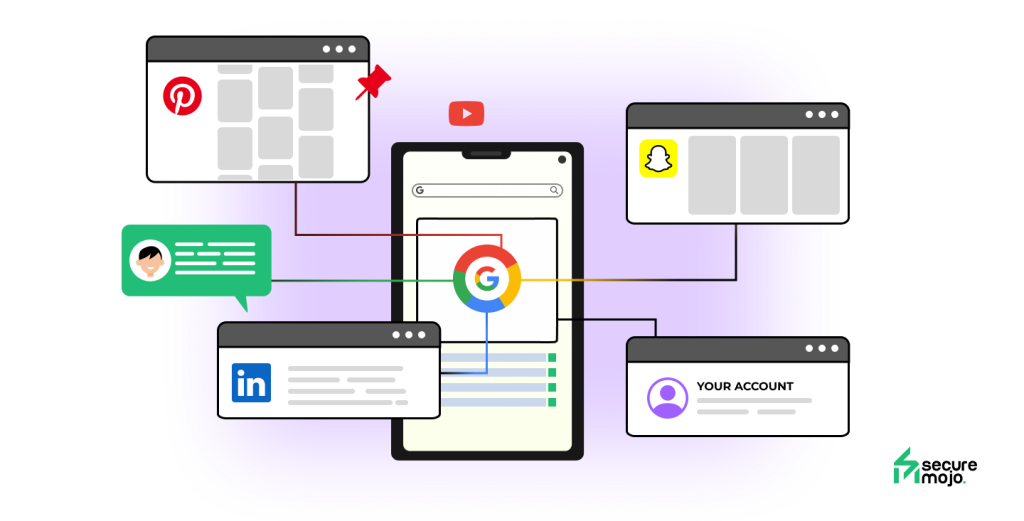
Google doesn’t rely on one source. It combines data from multiple services you use every day:
- Searches on Google Search
- Videos watched on YouTube
- Navigation and places visited via Google Maps
- Websites you visit that use Google ads or analytics
- Apps connected to your Google account
- Voice commands to Google Assistant
Individually, this data feels harmless.
Together, it becomes a living timeline of your behavior.
Not just what you searched — but when, where, and how often.
What Google’s “My Activity” Actually Contains
Inside your My Activity page is a chronological record most people have never seen.
You’ll find:
- Every search you’ve made
- Every video you’ve watched
- Every place your phone has been (if location history is on)
- Every ad you interacted with
- Every device that accessed your account
This isn’t a summary. It’s a detailed log going back years.
And for many people, scrolling through it feels like reading a diary they never wrote.
Location History: The Silent Tracker
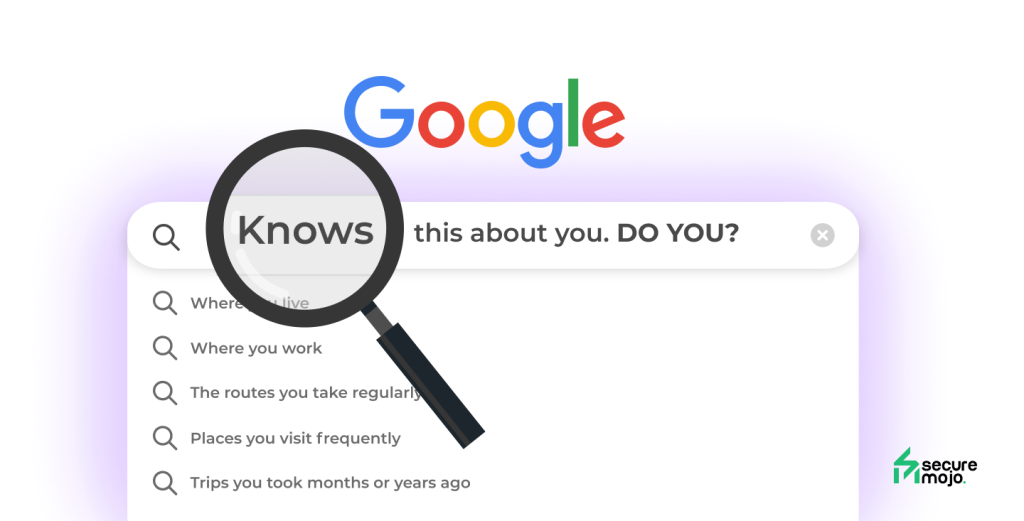
If Location History is enabled, Google Maps may know:
- Where you live
- Where you work
- The routes you take regularly
- Places you visit frequently
- Trips you took months or years ago
It can often tell your daily routine with surprising accuracy.
Not because you told it — but because your phone was in your pocket.
Ad Personalization: How Google Predicts Your Interests
Based on your activity, Google assigns you interest categories like:
- Travel enthusiast
- Tech buyer
- Fitness-focused
- Finance interested
- Student, parent, professional, and more
You never filled out this profile.
It was inferred from behavior.
This is why ads sometimes feel uncomfortably relevant. They’re not guessing. They’re using patterns you’ve built over time.
Why This Matters More Than People Think
This data isn’t just used for ads.
It shapes:
- What search results you see
- What videos get recommended
- What news appears first
- What suggestions autocomplete for you
Two people searching the same thing can see very different results — because Google knows them differently.
Your internet experience is being personalized based on a profile you didn’t consciously create.
How to See (and Control) What Google Knows
You can check and manage most of this yourself:
- Visit My Activity and review your history
- Pause or delete Web & App Activity
- Turn off or auto-delete Location History
- Review and reset Ad Personalization
- Remove old devices and app connections
Most people never do this once.
Yet this is where years of personal behavioral data quietly sits.
Final Thought: Awareness Changes the Relationship
Google’s data collection isn’t a secret. It’s disclosed in policies most people never read and settings most people never open.
The surprise isn’t that Google tracks activity.
The surprise is how much — and how long — it remembers.
Google knows a detailed story about your life. The real question is whether you’ve ever looked at it yourself.