One Mistake That Can Cost You Your Entire Digital Life
Losing access doesn’t start with a warning.
It starts with something that feels routine.
Something you won’t even remember doing.
Until everything stops working.
Most people think losing accounts, money, or data happens because of a big cyberattack. Something loud. Something technical. Something obvious.
But in real life, digital damage usually begins in a moment that feels completely routine—replying to a message, clicking a familiar link, approving a login, or reusing a password you’ve used for years. In that moment, nothing feels wrong.
Why “One Mistake” Is All It Takes Now
Your digital life today is deeply interconnected. Email connects to banking. Banking connects to shopping. Shopping connects to delivery apps. Social media connects to work, friends, and identity. Cloud storage holds personal documents, photos, and memories. Password resets for all of these usually lead back to one place.
That place is often your primary email account.
Because of this interconnection, attackers don’t need to break into everything. They only need to get in once. From there, the rest often falls like dominoes.
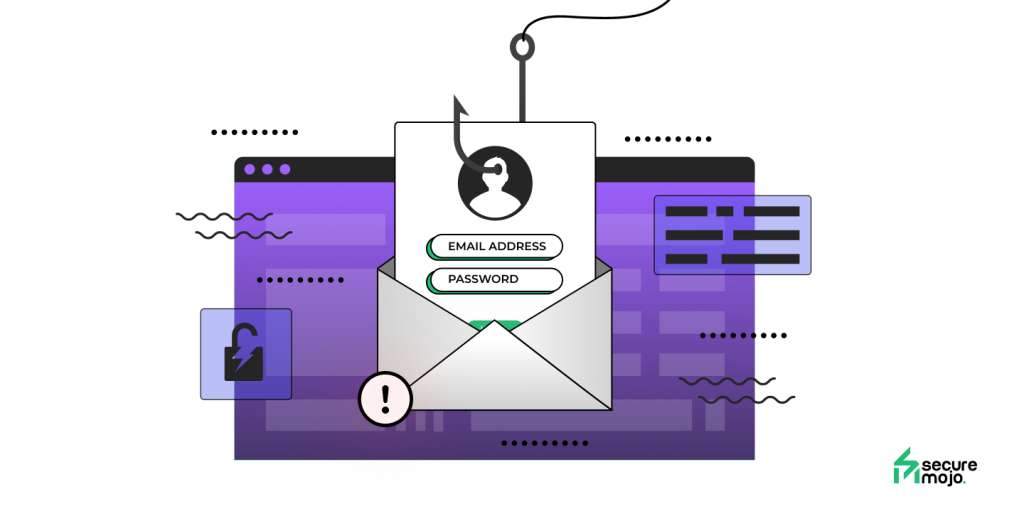
The mistake isn’t usually obvious. It might be entering credentials on a page that looked legitimate. It might be approving a login request just to stop the notifications. It might be reusing a password you’ve used safely for years — until the day it isn’t safe anymore.
How a Small Slip Becomes a Full Takeover
Most digital takeovers don’t happen instantly. They happen quietly.
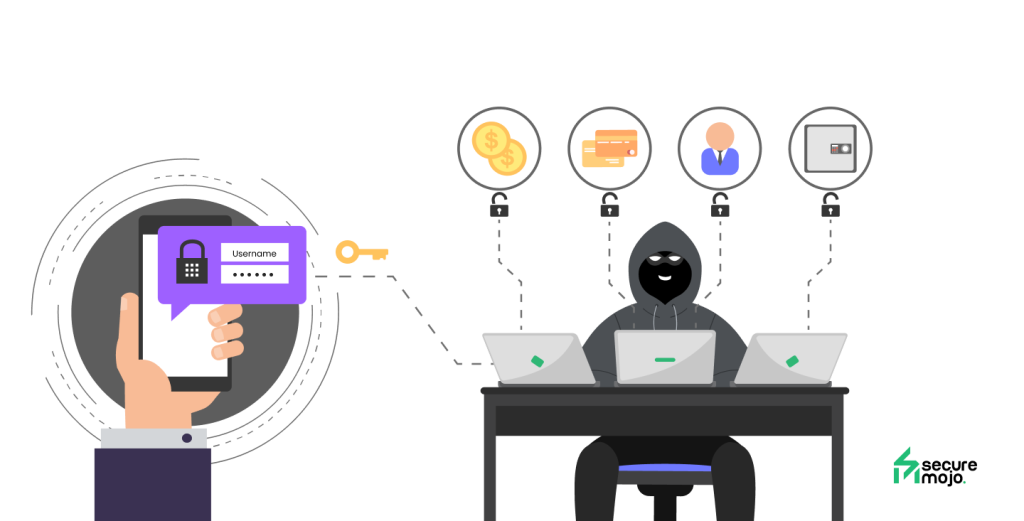
An attacker gains access to one account — often email or social media. From there, they begin resetting passwords on other services. Security alerts get redirected. Recovery options get changed. New devices get trusted.
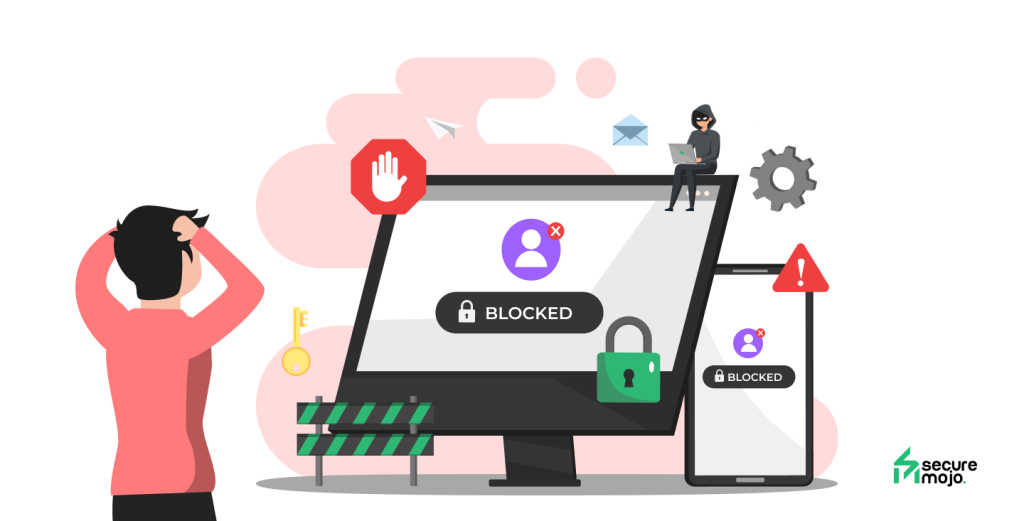
By the time the victim notices something is wrong, access has already been locked down from the inside. What feels like a single compromised account turns out to be a full digital lockout.
And recovery isn’t always guaranteed.
Why People Don’t Realize What’s Happening
One of the most dangerous aspects of modern cyberattacks is how normal everything feels at first. There’s no loud warning. No immediate loss. No clear signal that something serious has gone wrong.
People often assume a strange login alert is a glitch. A password reset email feels routine. A temporary account issue feels like a technical hiccup. Attackers rely on this delay. The longer they remain unnoticed, the more control they gain.
This isn’t about carelessness. It’s about how seamlessly attacks blend into everyday digital behavior.
What “Losing Your Digital Life” Actually Means
Losing access doesn’t just mean being locked out of apps.
It can mean losing years of photos and memories stored in the cloud. It can mean losing professional accounts tied to your work or business. It can mean financial damage, identity misuse, and messages sent in your name to people who trust you.
Even when access is restored, the damage often lingers. Data may be gone forever. Trust may take time to rebuild. The sense of control people feel over their digital world doesn’t come back easily.
This is why a single mistake can feel so devastating — because the consequences extend far beyond the original action.
The Real Weak Point Isn’t Technology
People often assume that strong apps and platforms will protect them by default. While security has improved significantly, no system can fully protect against decisions made by users themselves.
Attackers don’t fight technology head-on anymore. They work around it by targeting trust, urgency, and habit. They design situations where the “wrong” choice feels like the most reasonable one at the time.
This is why even careful, intelligent users get caught off guard.
How to Reduce the Risk Without Living in Fear
Protecting your digital life doesn’t require paranoia or extreme measures. It requires awareness of how much is connected — and how one mistake can cascade.
Using unique passwords, enabling two-factor authentication, being cautious with unexpected messages, and treating your primary email account as the most valuable asset you own all make a meaningful difference.
Just as important is slowing down. Most serious incidents happen when people are rushed, distracted, or pressured into acting quickly.
Security improves dramatically when speed is removed from the equation.
Final Thought: Control Is Fragile, Awareness Isn’t
Your digital life isn’t lost because attackers are invincible. It’s lost because modern systems are interconnected and humans are expected to move fast.
The good news is that the same awareness attackers exploit can be turned into defense. Once you understand how much hinges on a single action, you start treating everyday decisions with a little more care.
One mistake can cost everything — but one moment of awareness can stop it.